Preventing Hazards With IR Thermography Training
Infrastructure failures often begin as invisible anomalies. Before a component catches fire or a structural beam fails, it usually emits a warning sign in the form of abnormal heat. Identifying these thermal signatures before they escalate into catastrophic events requires precise skills and reliable knowledge. Relying on visual inspections alone leaves critical systems vulnerable to preventable downtime and dangerous accidents.
The IR Thermography Level 1 course offered by AVO Training provides the structured education professionals need to detect these hidden dangers. This comprehensive program empowers technicians, inspectors, and engineers to transform thermal data into actionable insights. In this article, we explore the real-world hazards this training mitigates, the vital importance of consistent field testing, and the core components of the course that prepare students for holistic system diagnostics.
The Hidden Risks in Modern Infrastructure
Facilities and electrical systems operate under immense stress. Without a unified approach to monitoring, subtle defects can quickly evolve into severe hazards.
Preventing Electrical Failures
Electrical systems represent one of the most significant risk areas in any commercial or residential environment. Loose connections, overloaded circuits, and phase imbalances generate excess heat long before they cause a breaker to trip or a fire to ignite. Left undetected, these issues compromise the entire electrical ecosystem, leading to unexpected power outages, costly equipment replacement, and severe safety risks for personnel.
IR thermography allows professionals to conduct non-destructive electrical surveys. By capturing thermal images of panels, transformers, and switchgear under normal loads, inspectors can pinpoint exact locations of abnormal resistance. This proactive identification is the cornerstone of a safety-first mindset, ensuring that maintenance teams can intervene and resolve issues systematically.
Identifying Structural Anomalies
Beyond electrical grids, structural integrity relies heavily on continuous monitoring. Moisture intrusion, missing insulation, and thermal bridging compromise building envelopes. These structural issues lead to accelerated decay, compromised energy efficiency, and hazardous mold growth.
Through thermographic home and building inspections, professionals can visualize temperature differentials across walls, roofs, and foundations. This clear data provides the early warning systems needed to protect infrastructure from preventable decay. Intervening early saves property owners thousands of dollars in remediation costs and ensures the structural longevity of the asset.
The Critical Role of Field Testing
Theoretical knowledge requires practical application to be effective. Field testing forms the backbone of any reliable predictive maintenance program.
Routine field testing ensures that systems perform within safe operational parameters. Technicians establish baseline thermal signatures for all critical equipment during initial inspections. Subsequent field tests then compare current thermal data against these baselines to detect degradation over time. This continuous monitoring transforms traditional reactive maintenance into a proactive asset strategy that anticipates issues before they impact operations.
Professionals must conduct field testing under specific environmental and load conditions to ensure precision. The data gathered during these tests dictates maintenance schedules, informs capital expenditure decisions, and protects teams from avoidable risks.
Inside the IR Thermography Level 1 Course
AVO Training designed the IR Thermography Level 1 course to build a strong foundation in thermal diagnostics. The curriculum moves logically from fundamental principles to advanced reporting techniques.
Understanding the History and Physics
To use IR tools effectively, professionals must understand the science behind the technology. The course begins by exploring the history and physics of IR technology. Students learn about the electromagnetic spectrum, heat transfer concepts, and the principles of emissivity and reflectivity.
Understanding these physical laws is critical for accurate field diagnostics. A unified understanding of how different materials absorb and emit heat allows technicians to adjust their equipment properly and avoid common misinterpretations. This clear, structured approach to the physics ensures that students can trust the data they collect.
Analyzing Scan Results
Capturing a thermal image is only the first step. The true value of thermography lies in the analysis. The course dedicates significant time to teaching students how to analyze the results of an IR scan accurately.
Instructors guide participants through the process of identifying thermal anomalies, differentiating between actual faults and harmless reflections. Students learn to manipulate image palettes, adjust temperature spans, and apply measurement tools to extract precise data from their scans. This meticulous analysis ensures that the resulting diagnostics are reliable and consistent.
The Importance of IR Reporting
Data only becomes valuable when it is communicated clearly. The reasons for IR reporting are addressed extensively within the course.
A well-structured report provides stakeholders with the clear, logical explanations they need to make confident decisions. Students learn to document their findings systematically, combining thermal images, visual photographs, load data, and environmental conditions into comprehensive documents. These reports serve as authoritative records that guide maintenance teams, satisfy insurance requirements, and verify that safety standards are met.
Hands-On Experience and Practical Application
Classroom theory translates into competence through hands-on practice. AVO Training integrates practical exercises to ensure students can operate equipment confidently.
Practical Diagnostic Exercises
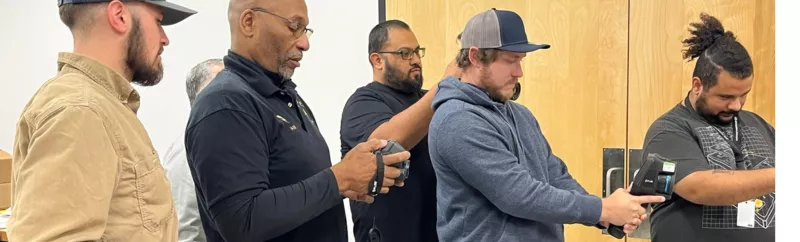
During the course, students analyze various hands-on exercises designed to simulate complex field scenarios. These activities require participants to configure their cameras, capture accurate images, and interpret the data in real time.
By engaging with physical mock-ups and thermal targets, students experience the nuances of focus, distance, and angle. This hands-on ecosystem builds muscle memory and diagnostic confidence. Instructors provide immediate feedback, ensuring that every student refines their technique and masters the equipment before stepping onto a job site.
Transforming Home and Building Inspections
The skills developed in the classroom have immediate applications in the real world. Graduates frequently apply their training to home and building inspections.
Armed with a deep understanding of thermal dynamics, inspectors can identify hidden moisture, locate missing insulation, and detect HVAC leaks with unparalleled precision. This capability elevates the standard of building inspections, providing clients with comprehensive insights into the health of their properties.
Enhancing Electrical Surveys
For industrial and commercial facilities, the training directly enhances electrical surveys and inspections. Technicians can scan massive electrical distributions safely from a distance, identifying overloaded phases and failing components without interrupting the power supply. This non-invasive approach maximizes uptime while exceeding global safety standards.
Student Success and Field Application
The true measure of any training program is the success of its graduates. The IR Thermography Level 1 course consistently delivers transformative results for its attendees.
Students frequently enter the course with a basic understanding of thermal cameras, only to discover a much deeper scientific discipline. As one student noted, "I did not realize the complexity and benefits of IR technology." This realization shifts their perspective, turning them from equipment operators into analytical diagnosticians.
The impact extends far beyond the classroom. Instructors report that it is not uncommon for a student to contact them and testify to some of the accomplishments achieved using the IR training. Graduates successfully identify critical electrical faults just hours before potential arc flashes. They locate hidden water leaks that evaded traditional detection methods for years. These success stories highlight the immediate return on investment the course provides to both the individual professionals and the organizations they serve.
A Pathway to Safer Operations
The IR Thermography Level 1 course by AVO Training provides the exact skills required to navigate the complexities of modern infrastructure diagnostics. By understanding the physics of heat transfer, mastering hands-on camera operation, and generating authoritative reports, students become critical assets to their organizations.
Graduates leave the program equipped to prevent devastating electrical failures, preserve structural integrity, and protect human life. They possess the knowledge to execute precise field testing and deliver actionable insights that leaders can trust. Investing in this education ensures your teams are prepared to identify the unseen, address the preventable, and maintain a unified standard of safety across all operations.
Ready to take the next step toward safer, more reliable operations? Enroll in the IR Thermography Level 1 course with AVO Training and equip your team with the skills needed to stay ahead of risk.
Ready to take the next step toward safer, more reliable operations?
Enroll in the IR Thermography Level 1 course with AVO Training and equip your team with the skills needed to stay ahead of risk.