The Hidden Dangers of SF6 Gas and the Need for Field Testing
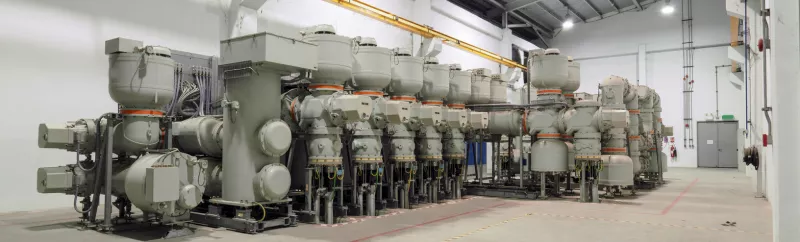
Sulfur hexafluoride, or SF6, is a critical insulating medium in high voltage (HV) circuit breakers. Its excellent dielectric strength and arc-quenching properties make it indispensable for modern electrical systems. However, its stability can be compromised under certain conditions, leading to the formation of hazardous byproducts and creating significant operational and safety risks. Understanding these dangers is fundamental to maintaining a safe and reliable power grid.
Technicians responsible for SF6 circuit breaker maintenance must prioritize field testing to verify the gas's condition and its suitability for continued service. This isn't just a matter of procedure; it's a critical safety protocol. Proper testing provides a holistic view of the gas's health, confirming its purity, moisture content, and, most importantly, the absence of toxic decomposition byproducts.
The Hazards of SF6 Decomposition
During normal operation, particularly after arcing events from fault interruptions, SF6 gas can break down. This process creates highly reactive and toxic compounds, including sulfur dioxide (SO₂) and hydrogen fluoride (HF). These substances pose immediate and severe safety hazards to any personnel working on or near the equipment, and exposure to these arcing byproducts can cause serious health issues.
The presence of these compounds indicates a degradation of the SF6 gas, compromising the breaker's insulating capabilities and creating a direct threat to the safety of maintenance teams. Without proper handling and testing protocols, technicians are unknowingly exposed to these invisible dangers.
When Is Field Testing Required?
To mitigate these risks and ensure the operational integrity of the circuit breaker, a structured approach to field testing is necessary. Testing should not be an afterthought but a planned component of the asset's lifecycle management.
Field testing is expected at several key junctures:
- During Commissioning and Acceptance Testing: Before a new circuit breaker is put into service, testing verifies that the gas meets manufacturer specifications and has not been contaminated during transport or installation.
- After Maintenance or Gas Handling: Any time the gas system is accessed, such as for refilling or internal repairs, testing is required to confirm that no contaminants like air or moisture were introduced.
- Following Fault Interruption or Abnormal Operation: A significant fault can cause substantial arcing, leading to the creation of harmful byproducts. Testing is essential to assess the condition of the gas and the internal state of the interrupter.
- When Gas Alarms or Density Monitors Indicate Problems: Alarms are an early warning system. A drop in gas density could indicate a leak, which requires immediate investigation and testing to ensure the safety and reliability of the breaker.
- As Part of Routine Maintenance Programs: Regular, scheduled testing allows for the early detection of slow degradation, moisture ingress, or small leaks. This proactive approach supports a holistic maintenance strategy, preventing unexpected failures and ensuring long-term asset health.
A Unified Solution for SF6 Safety and Reliability
Navigating the complexities of SF6 handling, testing, and maintenance requires specialized knowledge and hands-on skill. The potential for exposure to toxic byproducts and the high-stakes environment of HV equipment demand a workforce trained to the highest standards of safety and precision.
The AVO Training Institute’s four-day course, Circuit Breaker Maintenance, SF6, provides the comprehensive training needed to address these challenges directly. This program is designed for electricians and technicians who install, maintain, and troubleshoot SF6 circuit breakers rated at 1.2 kV and higher. It offers a unified ecosystem of learning, blending in-depth classroom lectures with practical, hands-on lab exercises.
Participants gain real-world applications and skills that are immediately transferable to the field. The curriculum is structured to build a deep understanding from the ground up, starting with the fundamental characteristics of SF6 gas and the critical safety protocols for handling it. The course covers the interpretation of electrical schematics, the function of key components like gas density monitors and operating mechanisms, and the correct procedures for evacuating, reclaiming, and filling SF6 gas.
A significant portion of the training is dedicated to the very maintenance and testing procedures that prevent hazardous situations. Students learn to perform and evaluate essential electrical and mechanical tests, including:
- Measuring Contact Resistance: To identify potential issues with current-carrying parts.
- Time Travel Analysis: To verify the mechanical performance of the breaker's operating mechanism.
- Leak Detection and Gas Analysis: To ensure gas purity and identify the presence of moisture or dangerous byproducts.
By completing this course, technicians are not just learning procedures; they are becoming qualified persons equipped to protect themselves, their colleagues, and their critical electrical infrastructure. They will be able to confidently carry out inspections, interpret test results, and make informed decisions that ensure the safe and reliable operation of SF6 circuit breakers. This commitment to training is a direct investment in a safer, more dependable energy future.
Ready to advance your skills and safeguard your operations?
Register for the Circuit Breaker Maintenance, SF6 course today and ensure you have the knowledge and tools to maintain safety, reliability, and regulatory compliance in high voltage (HV) environments.