Electrical circuit breaker maintenance
Enhance system reliability and personnel safety with expert training in low, medium, and molded case circuit breaker maintenance. Equip your team with the skills to ensure optimal fault clearing times, prevent failures, and maintain critical power systems
Proper maintenance of low and medium voltage circuit breakers is critical for power system reliability and personnel safety. These courses provide electricians and technicians with the specialized skills needed to expertly install, maintain, and troubleshoot air, vacuum, oil, SF6, molded case, and insulated case circuit breakers. Our training ensures your team can prevent nuisance trips, minimize arc flash hazards, and verify correct trip operations. Investing in these skills improves electrical system reliability, protects expensive equipment from devastating damage, and ensures technicians can confidently perform maintenance according to manufacturer and NETA specifications. This leads to safer work environments and optimized fault clearing times for critical infrastructure.
To get a quote or to discuss your electrical training needs, contact us below, or call us at 1-877-594-3156

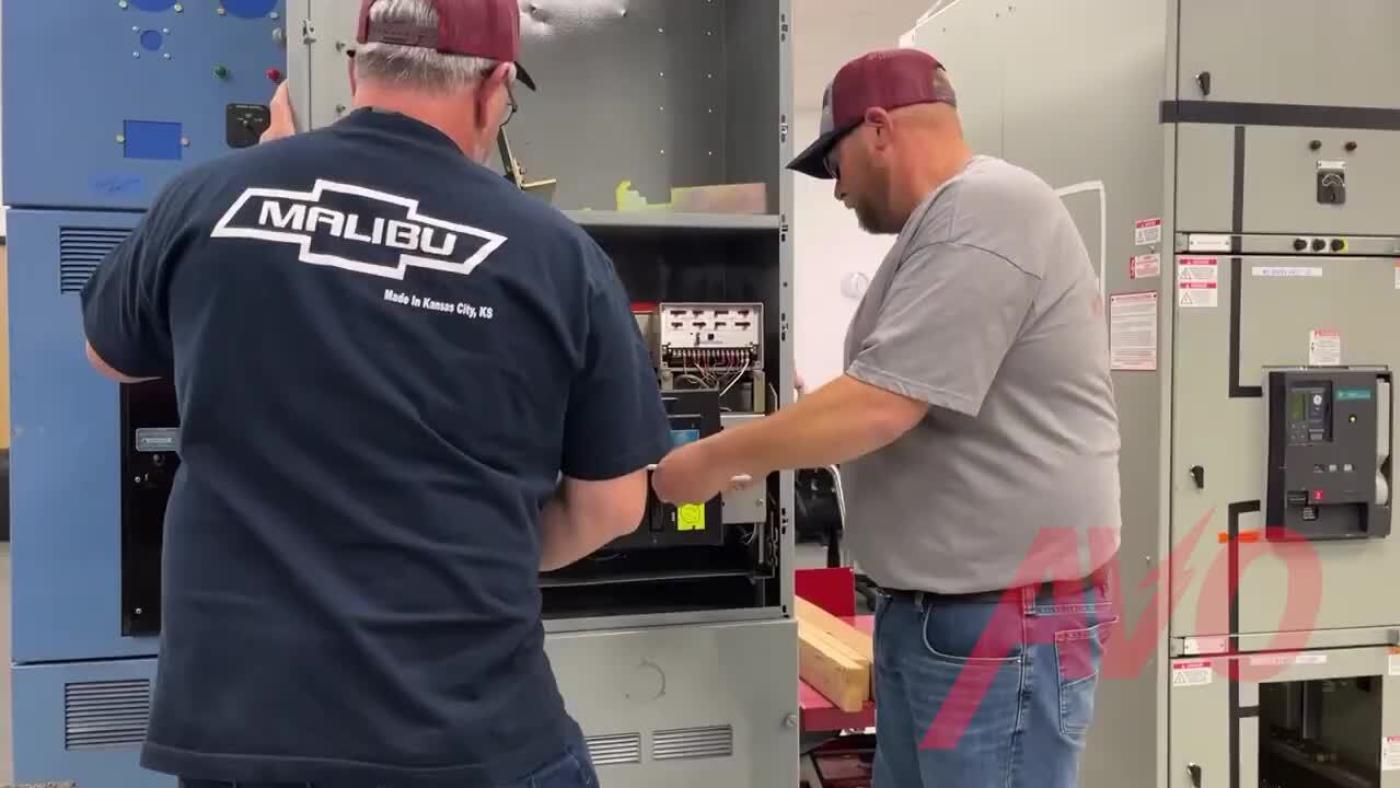
Circuit Breaker Maintenance, Low-Voltage
View listings
Circuit Breaker Maintenance, Medium-Voltage
View listings
Circuit Breaker Maintenance, Molded and Insulated Case
View listings
Circuit Breaker Certifications
View certifications
Circuit Breaker Maintenance, Low-Voltage
Course description and overview
CIRCUIT BREAKER MAINTENANCE, LOW-VOLTAGE (CBMLV | #134)
4.5 DAYS | 3.2 CEUs
Participants in this class will visually and electrically inspect circuit breakers according to the manufacturer and NETA MTS requirements. This hands-on course is intended for new or experienced electricians and technicians that install, maintain, repair or troubleshoot power circuit breakers, rated less than 1,000 VAC, equipped with electromechanical or solid-state tripping devices. Based on the results of the tests, technicians should be able to make pass/fail decisions on circuit breakers. In addition to improving electrical system reliability, by ensuring optimum fault clearing times, well-maintained circuit breakers minimize the arc flash hazard energy levels that technicians can be exposed to during a fault.
*FOR ONSITE SESSIONS ONLY: NOTE THAT THE CUSTOMER MUST SUPPLY THE ITEMS MARKED WITH AN ASTERISK ON THE EQUIPMENT LIST. AVO WILL NOT BE SHIPPING THEM.
Learning Objectives
To receive 3.2 CEUs, participants must attend 4.5 days of class (32 contact hours) and attain a minimum average grade of 80% (overall grade will consist of 50% lab practice and 50% final exam). Upon completion of this course and lab practice, the participants will demonstrate that they are able to:
- Describe the different type of circuit breakers, their components, and functions.
- Perform circuit breaker and cabinet service maintenance service safely.
- Interpret and utilize time characteristic curves.
- Demonstrate all standard tests performed on a circuit breaker.
Upcoming sessions (Open enrollment, 2026)
| Dallas | 07/20/2026, 08:00 am - 07/24/2026, 12:00 pm |
| Cleveland | 08/03/2026, 08:00 am - 08/06/2026, 12:00 pm |
| Pasadena | 08/10/2026, 08:00 am - 08/14/2026, 12:00 pm |
| Crofton | 08/17/2026, 08:00 am - 08/21/2026, 12:00 pm |
| Dallas | 08/31/2026, 08:00 am - 09/04/2026, 12:00 pm |
| Sumner | 09/14/2026, 08:00 am - 09/18/2026, 12:00 pm |
| Dallas | 09/21/2026, 08:00 am - 09/25/2026, 12:00 pm |
| Cleveland | 09/21/2026, 08:00 am - 09/25/2026, 12:00 pm |
Circuit Breaker Maintenance, Medium-Voltage
Course description and overview
CIRCUIT BREAKER MAINTENANCE, MEDIUM-VOLTAGE (CBMMV | #300)
3.5 DAYS | 2.5 CEUs
This course provides training for the performance of visual, mechanical and electrical inspections, in accordance with manufacturers’ and NETA MTS requirements. Technicians have more components to test and maintain to ensure a 3 to 5 cycle operating time. This hands-on course is intended for new or experienced electricians and technicians that install, maintain, repair or troubleshoot air and vacuum metal-clad circuit breakers and switchgear, rated at 1 kV and higher.
Failure of one of these circuit breakers can cause catastrophic damage to other equipment and can be extremely hazardous to nearby personnel. In addition to improving electrical system reliability, well maintained circuit breakers also minimize the arc flash hazard energy levels that technicians can be exposed to during a fault.
Learning Objectives
To receive 2.5 CEUs, the participant must attend 3.5 days of class (25 contact hours) and attain a minimum average grade of 80% (overall grade will consist of 50% lab practice and 50% final exam). Upon completion of this course, the participant will demonstrate that he/she is able to:
- Identify components and insulation mediums for all circuit breakers (vacuum, air magnetic, oil and SF 6 ).
- Utilize appropriate personal protective equipment and safe work procedures including lockout/tagout.
- Evaluate breaker ratings for various applications.
- Interpret control schematics.
- Outline removal and restoration procedures.
- Adjust linkages, switches and contacts.
- Practice circuit breaker maintenance service per manufacturers and NETA MTS specification.
- Perform and evaluate the results of all required tests during labs.
Upcoming sessions (Open enrollment, 2026)
| Sumner | 06/22/2026, 08:00 am - 06/25/2026, 04:30 pm |
| Dallas | 07/27/2026, 08:00 am - 07/30/2026, 04:30 pm |
| Sumner | 08/24/2026, 08:00 am - 08/27/2026, 04:30 pm |
| Cleveland | 08/31/2026, 08:00 am - 09/03/2026, 04:30 pm |
| Dallas | 09/08/2026, 08:00 am - 09/11/2026, 04:30 pm |
| Pasadena | 09/08/2026, 08:00 am - 09/11/2026, 04:30 pm |
Circuit Breaker Maintenance, Molded and Insulated Case
Course description and overview
CIRCUIT BREAKER MAINTENANCE, MOLDED & INSULATED CASE (CBMMIC | #418)
2 DAYS | 1.4 CEUs
Molded and insulated case circuit breakers are designed to be disassembled, inspected, adjusted and cleaned and require testing and maintenance to ensure system reliability. This hands-on course is intended for new or experienced electricians and technicians that install, maintain, repair or troubleshoot molded or insulated case circuit breakers, rated less than 1 kV, equipped with thermal, magnetic or solid state tripping devices.
Participants in this course will be required to perform visual and electrical inspections on the circuit breakers and their auxiliary devices. The electrical inspections provide data regarding the condition of the insulation, contacts and operating mechanisms.
Learning Objectives
To receive 1.4 CEUs, the participant must attend 2 days of class (14 contact hours) and attain a minimum average grade of 80% (overall grade will consist of 50% lab practice and 50% final exam). Upon completion of this course, the participant will demonstrate that he/she is able to:
- Identify circuit breaker components.
- Utilize appropriate personal protective equipment and safe work procedures for breaker maintenance.
- Interpret NEMA breaker maintenance procedures.
- Carry out complete circuit breaker maintenance, removal and restoration procedures.
- Perform and evaluate the results of low resistance, insulation resistance and overcurrent tests.
- Verify operation of the trip device and accessories
Upcoming sessions (Open enrollment, 2026)
| Dallas | 08/10/2026, 08:00 am - 08/11/2026, 04:30 pm |
| Dallas | 09/28/2026, 08:00 am - 09/29/2026, 04:30 pm |
Circuit Breaker Certifications
Certification: Low-Voltage Circuit Breaker Technician
The following courses may be completed in any order, within an 18-month period, to meet certification requirements:
- OSHA Electrical Safety-Related Work Practices, OR NFPA 70E 2024 Electrical Safety
- Circuit Breaker Maintenance, Low-Voltage
- Circuit Breaker Maintenance, Molded- and Insulated-Case
After completion of all requirements you must submit your certification application. Your certification package will include a certificate and laminated wallet card. If you're needing to renew an expiring or already expired certification, please contact us for a recertification application.
Frequently asked questions
Circuit breaker training ensures safety by teaching workers how to properly install, maintain, and troubleshoot circuit breakers, preventing hazards like electrical shocks, fires, and system failures.
Electrical engineers, technicians, electricians, and anyone involved in the installation, maintenance, or repair of electrical systems should take circuit breaker training to ensure proper handling and compliance with safety standards.
It's recommended to refresh circuit breaker training periodically, especially when new technologies or updated safety codes are introduced, or when workers' roles change.
Circuit breaker training helps businesses reduce the risk of electrical accidents, minimize downtime from system failures, ensure regulatory compliance, and increase overall workplace safety and efficiency.